
New Government legislation requires more transparency over water quality
New government legislation to be enacted immediately has introduced stricter environmental regulations for water companies across England and Wales.
The Act marks a significant first step toward tackling the region’s long-standing river pollution issues.
Under the new rules, companies such as Northumbrian Water, which covers the areas of Tyne and Wear, Durham, and Darlington, are now legally required to publish Annual Pollution Incident Reduction Plans (PIRPs).
These reports must include key details such as the number, location, and duration of sewage spills; the actions being taken to reduce future incidents; and full transparency regarding the use of nature-based solutions.
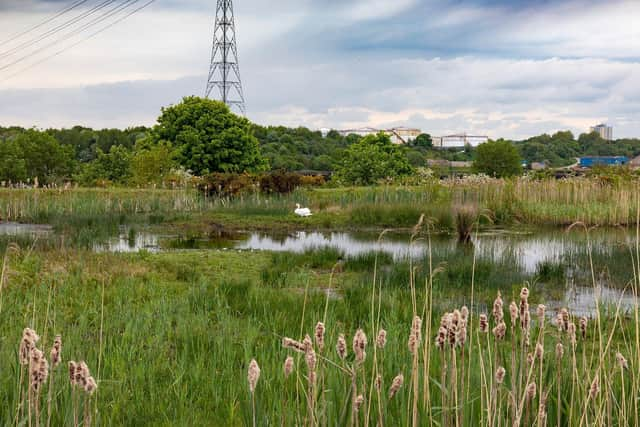

The Water (Special Measures) Act comes into force alongside a major enforcement case, which resulted in Northumbrian Water agreeing to a £15.7 million enforcement package with Ofwat (the economic regulator for the water and sewerage sectors in England and Wales.)
The recently passed legislation also mandates site-by-site transparency, requiring each sewage outflow to be named and explained.
Regulators will also now have enhanced powers, allowing fines and restrictions to be issued more swiftly.
To ensure public access, all PIRPs must be easily accessible online.
In 2024, 1,128 sewage overflow incidents were reported in the Tees catchment, totalling 8,585 hours of untreated discharge into the River Tees, which is equivalent to nearly 12 full months of continuous pollution.
Only 14% of rivers in the region currently meet “good ecological status”, meaning 86% fall below environmental standards. Worse still, 0% meet “good chemical status” due to contamination from sewage, nitrates, and phosphates. Environmental reports also indicate that 46 kilometres of waterways are affected by heavy metals from historic mining activity.
A Northumbrian Water spokesperson said: “We’re committed to publishing our Pollution Incident Reduction Plans (PIRPs) annually.
“These set out how we’ll reduce pollution incidents across our network and we expect to publish an updated PIRP later this summer.
"Over the next five years, we’re focusing on preventing pollution caused by severe and named storms.”