
Here are the reasons why Gusto has had to close some restaurants

A new report has detailed the problems which led to the administration of Gusto Restaurants Ltd and also revealed that unsecured creditors of the Italian restaurant business are set to lose out on about £2.5m.
Will Wright and Rick Harrison from Interpath were appointed as joint administrators to Gusto Restaurants Lltd last month.
A £2.5m pre-pack deal was subsequently completed which saw Cherry Tree Equity acquire seven flagship Gusto restaurants, including Liverpool (Albert Dock), Birmingham, Cheadle, Knutsford, Manchester, Nottingham and Oxford, safeguarding in excess of 300 jobs.
However, a further six restaurants closed, including Alderley Edge, Cookridge, Edinburgh, Heswall, Leeds and Newcastle.
Those sites were said to be "economically unviable due to continuing cost headwinds affecting the sector".
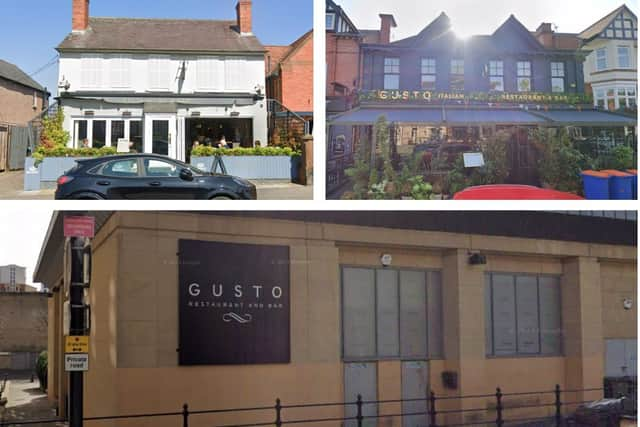

Speaking when the deal was announced, Paul Moran, chief executive of Gusto Restaurants, said the investment put in place "a strong and stable platform upon which we can start to grow the business again, while Jamie Barber, chairman and founding partner of Cherry Equity Partners, said Gusto was "a well-loved brand with a great heritage, and we’re looking forward to working with Paul and the team to invest and grow the business".
A new report by the Interpath administrators has provided more detail about the factors behind the administration.
Gusto Restaurants had entered a company voluntary arrangement in 2020 after being hit by the onset of the Covid-19 pandemic, exiting underperforming sites, reducing rents at marginal sites for a limited period, and restructuring its balance sheet.
Despite the CVA, which Gusto Restaurants emerged from in 2022, Gusto Restaurants struggled to return to pre-pandemic trading levels, according to the administrators.
Post-pandemic trading had also been made more challenging by rising cost-inflation, falling consumer confidence, increased employer's national insurance costs and minimum wage increases.
As a result, Palatine, which is the wider group's majority shareholder, contacted Interpath to explore its options
Gusto Restaurants Group Ltd instructed Interpath to conduct an early options process to look at the possible sale, investment, refinance and restructuring options for the group.
That process led to interest and five indicative offers and, after a review of the various alternatives, it was concluded that an administration was required to seal a deal which safeguarded the majority of the business.
Unsecured creditors have been left owed an estimated £2.5m by the administration and are unlikely to receive any payment from the administration.