
Hundreds of new homes and a railway station in once-in-a-lifetime vision to reimagine town centre

Hundreds of new homes, a railway station, and improved links between detached sections of a town centre form part of a “once-in-a-lifetime” vision to reimagine the heart of Gateshead.
The state of Gateshead town centre has been heavily-debated over the past year, brought into sharp focus by the closure and impending demolition of the Gateshead Highway flyover.
Frustration has mounted over a lack of visible progress on promised improvements, like a long-planned overhaul of Gateshead High Street and stalled proposals for an international conference centre and arena on the Quayside.
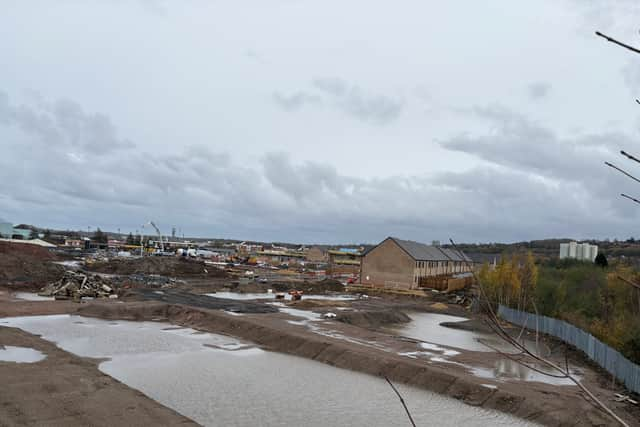

But local leaders hope that change is now coming, with the dismantling of the flyover viewed as a unique chance to transform the town centre into a more vibrant and connected community – rather than one split up by what was one of Tyneside’s busiest roads.
Anneliese Hutchinson, Gateshead Council’s strategic director for economy, innovation and growth, called this a “once-in-a-lifetime opportunity” as the flyover’s removal coincides with the creation of Kim McGuinness’ new mayoral development zone aimed at speeding up regeneration.
Speaking to the Local Democracy Reporting Service (LDRS) on a tour through the town centre, she added: “We have had long-held plans for Gateshead. It has been a difficult few years but now we have the means of delivering, with the combined authority and a lot of interest from Homes England and other developers.
“We are looking at a comprehensive redevelopment that will change the face of the town centre and really make a difference for people.”
The council’s ambition is to make the centre of Gateshead a more cohesive place, instead of being divided into different sections in West Street and the Railway Quarter, the Quays and Baltic Quarter, and the areas around the southern gateway into the town and its high street.
Critical to that is the building of new housing to provide the consistent footfall needed to make the town a viable, never mind thriving, destination for businesses – “not rocket science”, says council leader Martin Gannon.
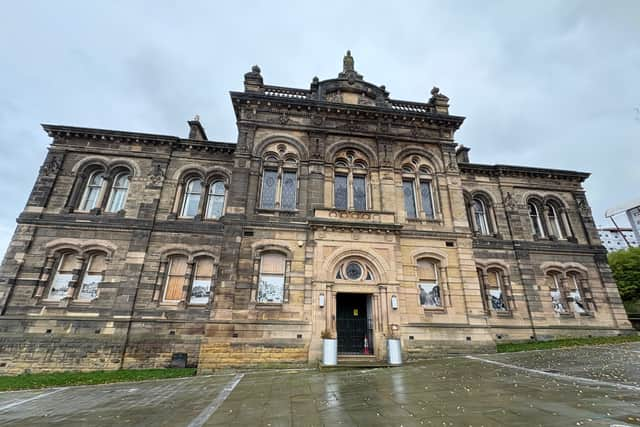
Big hopes are pinned on developer Capital&Centric’s vision to breathe fresh life into the derelict old Town Hall.
A planning application is expected this year for 275 new homes, which it is hoped would be built by 2030, repurposing the grade II listed building and surrounding it with new-builds, cafes, bars, restaurants and green space.
Andrew Sloan, the council’s head of regeneration, told the LDRS that he was conscious of a need to change perceptions of Gateshead to make it feel safer and more vibrant in the immediate future.
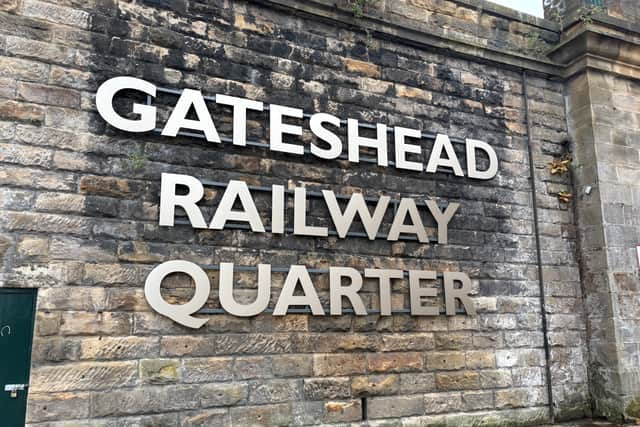
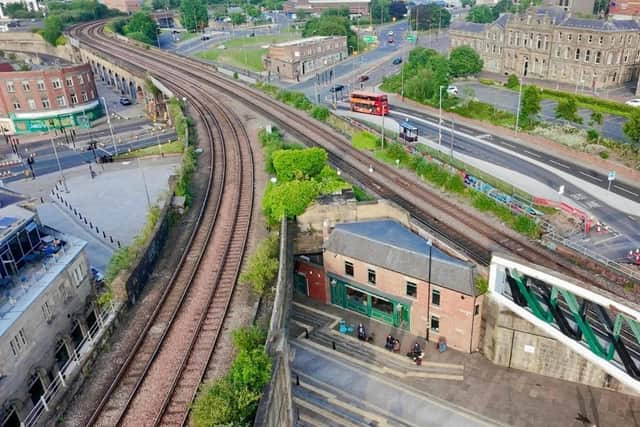
The town has recently been awarded Purple Flag accreditation, a status granted to areas recognised for nighttime safety, while work has also been happening to improve the appearance around disused sections of the town’s railway arches – some of which will be opened for businesses to move into and others decorated with artwork.
Mr Sloan added: “We know people want new homes and want to see the change. But we are at an early stage and there is so much opportunity. We are just making sure we get it right from the beginning and getting the right partners in at the right time.”
Coun Gannon described how the Railway Quarter felt “like the middle of nowhere” for decades but, despite having some empty units at the moment, is now seen as a success story driven by independent local businesses like Microbus, Station East, and VIN.
On the other side of the Tyne Bridge, however, there remains significant uncertainty over what will happen to the vacant patch of prime riverside land between the Glasshouse music centre and Baltic art gallery.
Years after plans were approved, there has been no start to construction on the arena and conference centre development hailed as a “world class” addition to the Quayside.
While a £23 million multi-storey car park to serve the area is already open, the mayor’s office and council are yet to announce the outcome of a reassessment of the market demand for the Quays project.
The prospect of a new arena opening was cast into further doubt before Christmas, however, when Utilita Arena operator Legends Global announced plans to invest £65 million to upgrade the Newcastle site – which was meant to close and be replaced by the Gateshead Quays venue.
Behind the empty Quayside plot in the Baltic Quarter, there are hopes of bringing new housing, expanded space for Gateshead College, and improved connections towards the river off the Felling Bypass.
Coun Gannon is also keen to see a new railway station open there, where Northern trains travelling between Newcastle and Sunderland could stop.
Mr Sloan admitted that it is “really difficult to get across the town” as things stand, saying that the flyover coming down offers an opportunity to create new routes connecting the Quayside, Gateshead Stadium, and the town centre.
He told the LDRS that demand for builder Vistry’s Freight Village 270-home development on the edge of the town centre had been “beyond all hopes and expectations”, while the ambition is that around 1,000 more houses could be built around where the flyover now stands.
Though the road is due for demolition over the coming months, funding for a wider regeneration to follow its removal has not been secured and there are no firm plans in place despite talk of such a transformation for more than 15 years.
The council has been pursuing a vision since 2019 for a revitalisation of the southern end of High Street, including hundreds of new homes, but is still yet to finalise deals to buy up all the properties in the area.
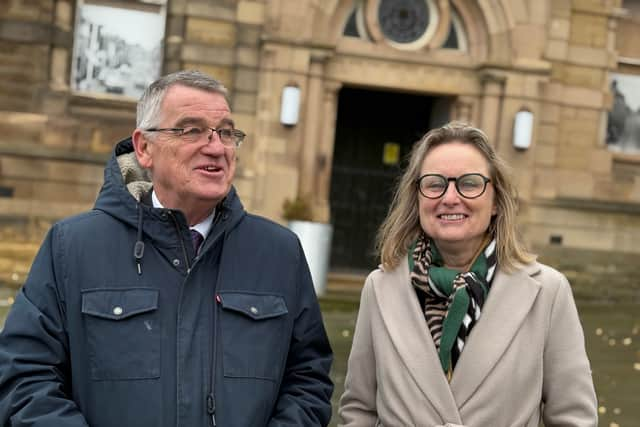
Coun Gannon, whose Labour administration faces a major test at the ballot box in ‘all out’ local elections this May, said that change would be key to making the rest of the town centre sustainable for struggling businesses.
He said: “The sooner we can get the south side of the high street sorted, the sooner the rest of it becomes sustainable. I remember when the Civic Centre was built and the amount of people going out for lunch in town breathed so much life into the town centre. People make the difference.”
Further plans include the redeveloping of the town centre’s transport interchange so that it takes up less space and a possible pedestrianisation of Jackson Street.
Coun Gannon added: “I want to see all the elements thriving – the Quayside, the Railway Quarter, the Town Hall, the high street – and all of these things need to work together and be connected up.
“Important to that is that we get the south side of the high street done. What we know is that there is an overwhelming demand for housing in central Gateshead. That will make the existing retail offer sustainable.
“We have really good businesses working really hard and we need to ensure that the redevelopment that takes place at the Old Town Hall and the south end of the high street provides a population of people who are going to sustain a vibrant town centre. It is not rocket science.”