
Fears of 'death knell for democracy in Newcastle' over shock council review

Shock proposals for a major shake-up of how a city council works have been branded a potential “death knell for democracy in Newcastle”.
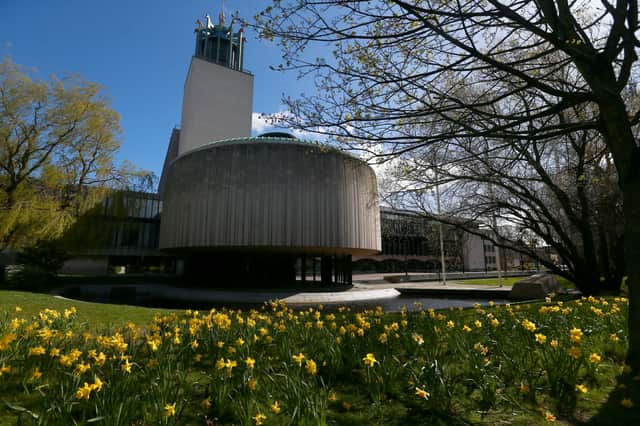
Councillors have been left seething at the prospect of big changes at Newcastle Civic Centre, which it is feared could stifle debate and shrink accountability in the city’s corridors of power.
An independent review has recommended reforms that include banning opposition party councillors from asking questions at cabinet meetings, where Newcastle City Council’s political leadership makes major decisions.

It also suggests slashing the number of scrutiny hearings held and scrapping committees devoted to investigating the council’s finances and climate change commitments.
The Labour-run council has insisted that the Centre for Governance and Scrutiny (CfGS) review, which was shared with councillors on Tuesday, presents “impartial” advice that will not necessarily be implemented.
But opposition members have aired serious misgivings about its findings – particularly at a time when local councils across the country are facing a budget crisis that has seen some go bankrupt and when Newcastle’s leadership continues to face major questions over controversies like the collapse of parks charity Urban Green, a £40 million debt which led the council to seize ownership of a four-star hotel, and whether the city can meet its aim to reach net zero emissions by 2030.
Independent councillor Marc Donnelly told the Local Democracy Reporting Service (LDRS): “It is the death knell for democracy in Newcastle. It is taking power away from the people and placing it into the hands of a very small few in the council. It will lead to less scrutiny, less debate and less discussion. Unfortunately, I can only think of the worst case situation – what are they [the council] hiding?”
The review suggests blocking all cross-examination of the council’s executive at cabinet meetings, which the CfGS claims “can detract from the core purpose of the meeting and might easily lead to confusion for public and other observers”.
It also advocates scrapping both the finance and budget scrutiny committee, saying its functions could be split between other existing panels, and the economy, jobs and skills scrutiny committee.
All local ward committees, which are held annually in each of the city’s 26 electoral wards to allow councillors and local authority officers to meet and share information with residents, would also be disbanded under the recommendations.
The CfGS says that the council’s remaining scrutiny committees should meet only six times per year rather than 10 and have their agendas limited to only two or three items per meeting, claiming that “fewer, more productive meetings would achieve more and have greater impact”.
Colin Ferguson, leader of the council’s Liberal Democrat opposition, warned that the review “decimates accountability, erodes scrutiny and centralises decision making away from our communities”.
Coun Ferguson added: “We are dealing with the debacle of Urban Green’s collapse, pressing questions about how the Council has come to own the Crowne Plaza hotel with debts of £39.5m, and cross-party agreement to instigate an independent inquiry into the political governance culture at the Civic Centre. Newcastle City Council needs more accountability, stronger governance, and deeper engagement with scrutiny, not less.”
The Green Party’s Nick Hartley added that scrapping a dedicated climate change committee, which the CfGS deemed “unnecessary”, would send “the wrong message”.
He said: “At a time when misinformation is everywhere and trust in politics is low, we should be strengthening the spaces where real, practical progress can be made – not shutting them down.”
While Labour has been in charge at the council since 2011, the authority is currently in no overall political control – after former leader Nick Kemp and five others quit the party last year to become independents.
There would, therefore, be questions over whether the Labour administration could command enough support to vote through any such changes if it wanted to pursue them, given its lack of a majority in the council chamber.
A spokesperson for the Labour group said on Wednesday: “This was an independent review, with all members given the opportunity to take part and contribute fully. The Labour group will meet to consider the recommendations and decide how to proceed.”
A copy of the report, seen by the LDRS, states that only 31 out of Newcastle’s 78 councillors took part in a survey conducted by the CfGS.
A council spokesperson confirmed that the review would be subject to debate at its constitutional committee in May but that any substantial changes would require the approval of the full council.
They added: “We commissioned an independent report as part of our review of the Newcastle Charter to seek impartial, expert advice on how our democratic processes could be improved.
“This ongoing review, which all members have had the opportunity to help shape, aims to help ensure that our structures and practices reflect a modern organisation, that democratic processes are open and transparent, with effective democratic decision-making processes in place to make the best use of everybody’s time.”
Have you got a story you want to share with our readers? You can now send it to us online via YourWorld at https://www.yourworld.net/submit/ It's free to use and, once checked, your story will appear on our website and, space allowing, in our newspapers.