
We have no alternative... Newcastle council leaders reject calls to axe massive £2bn waste incinerator project

Newcastle’s council leadership has rejected calls to pull out of a £2 billion waste incinerator project.
City councillors voted earlier this month in favour of exiting a contract for the Tees Valley Energy Recovery Facility (TVERF), a massive rubbish burner that is set to be built near Redcar. But Newcastle City Council’s Labour cabinet confirmed this evening that it will not do so, in spite of the full council’s backing for a Lib Dem motion urging leaders to withdraw.
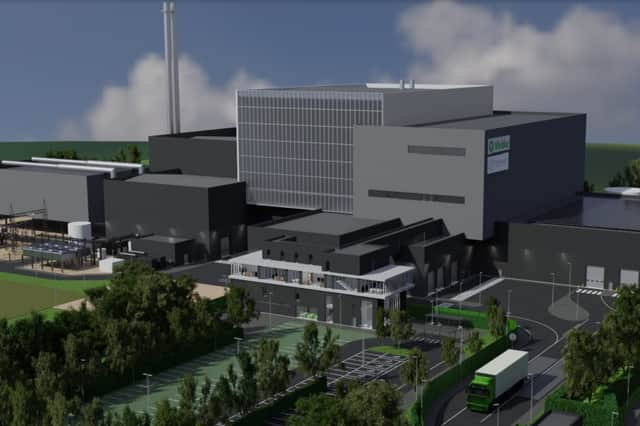

Labour council leader Karen Kilgour told a cabinet meeting on Monday that pulling out now would put the council “back at square one” and risk exposing the authority to financial penalties. Activists have campaigned for years against the building of the TVERF, amid concerns about its environmental impact and financial cost.
The facility could burn up to 450,000 tonnes of waste every year from seven of the region’s councils, who would be entering into a contract running for up to 40 years, and critics say that it would harm efforts to increase recycling.
Andrew Husband, the Reform UK leader of Durham County Council, also called on his Newcastle counterparts to pull out of the TVERF last week, saying his administration had “no appetite” for the project.
Newcastle, Durham, Darlington, Hartlepool, Middlesbrough, Redcar and Cleveland, and Stockton are the seven councils involved in the incinerator project, for which Viridor was recently confirmed as the chosen operator.
Alex Hay, Newcastle City Council’s deputy leader, said: “As a cabinet we have considered our position on the Tees Valley Energy Recovery Facility in light of the motion passed by full council, and we have taken advice from both our Monitoring Officer and Section 151 Officer.
“We understand the points made by opposition members, and those who have campaigned against the project. We are absolutely committed to increasing recycling and creating a greener, cleaner, and more sustainable city has always been a priority for our administration. Environmental impact will be a serious consideration in any decision we make.
“The decision to sign up to the project was made some time ago, and was not driven by an ambition to feed an incinerator and ditch our ambitions around greener waste collection. It was a pragmatic decision to deliver best value for money for the tax payer and protect front line services. There is no viable alternative solution.
“The minimum tonnage required from the city will be modest and we refute any suggestion that this contract locks us into a feed the beast mentality. We already send waste to energy recovery facilities, and this project simply offers better value for money to the taxpayer and long term savings that we can reinvest into front line services.
“Even with the most ambitious recycling targets, we will still be required to dispose of general waste for decades to come and this facility ensures local authorities are not at the mercy of third-party contracts. All options have been considered in detail and all local authorities have deemed this the best solution, indeed, the only viable solution.
“Leaving this project now would not only leave us back at square one with no alternative waste disposal route, leaving will result in significant ongoing future cost pressures and immediate risk of additional financial penalties. At a time that local government is already facing a financial crisis, such penalties would ultimately risk greater tax increases and cuts to front line services.
“We value discussions with members across the council chamber, and want to offer reassurance that we share their ambitions when it comes to drastically improving recycling rates. However, it is the position of cabinet that it would be unconscionable for us to withdraw from the project.”
The TVERF is scheduled to open in 2029 and it is said that it would generate enough electricity to power 60,000 homes, as well as saving nearly 100,000 tonnes of greenhouse gas emissions per year compared to landfill.