
Inside Newcastle United's PSR points deduction dilemma after £68m double deal agreed

Darren Eales has reflected on one of the major decisions made during his time as Newcastle United chief executive officer.
Darren Eales has revealed Newcastle United feared a points deduction in 2024 would have completely derailed the momentum built up following the PIF-led takeover.
Newcastle had made rapid progress after changing ownership in 2021. Having first secured Premier League survival, the Magpies went on to finish fourth and qualify for the Champions League before slipping back to seventh the following season and missing out on European football.
But one of the biggest setbacks of the post-takeover era arrived that summer when Newcastle faced a race against time to remain compliant with the Premier League’s Profitability and Sustainability Rules.
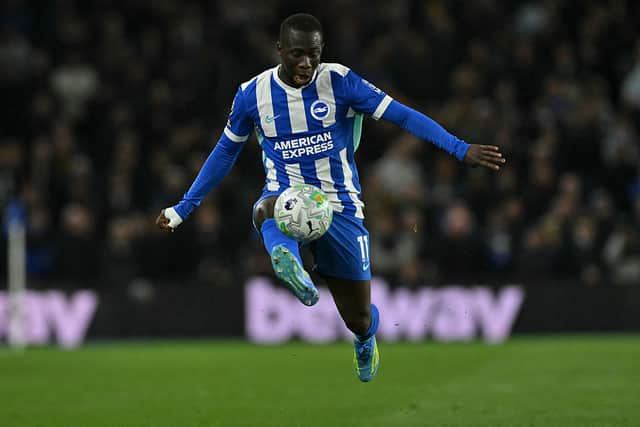

The threat of a significant points deduction left the club needing to generate funds before the June 30 accounting deadline. That ultimately contributed to the departures of academy graduate Elliot Anderson and highly-rated winger Yankuba Minteh for a combined fee of £68million.
Darren Eales explains Newcastle United PSR decision
The situation has since returned to the spotlight amid renewed debate over the Premier League’s financial regulations.
Eales, who was Newcastle’s chief executive at the time, insists the club had little choice but to act and says accepting a sporting sanction was never considered a realistic option.
“My background is as a barrister, and when I was hired by Newcastle, it was crystal-clear from an ownership perspective that everything was going to be done the right way and within the rules which were there,” Eales told The Athletic.
“When we talk about that summer, it was just the situation we were in, with the added information of what had happened to Everton [10 point deduction reduced to six after appeal] and Nottingham Forest [four point deduction]. It was real sanctions, with teeth.
“It’s very easy after the event to say, ‘Ah well, just take a points deduction’, but we couldn’t. It would have torpedoed our momentum and the progress we were making.
“It meant making tough decisions and it went right to the wire, but we pulled every lever to make sure we met our PSR responsibilities. One thing the ownership can be proud of is that they’ve done things the right way. Credit to them for always saying, ‘No, this is how we run our ship’.
“I think I was the first executive to speak out about how PSR works and to try and explain it to fans, because you could see it coming. We were going to have to move players on. It didn’t matter how wealthy your ownership was.
“It’s obviously been difficult for the club and it’s a tension in the game, a tension within the Premier League.”
Eales’ comments underline one of the defining frustrations of Newcastle’s ownership era: the vast wealth of PIF has not translated into unlimited spending power at club level.
Newcastle were forced into difficult decisions despite their ambition to challenge the established elite, with Anderson and Minteh among the most painful departures given their age and potential.

Newcastle United financial pressure remains
The club’s decision to avoid a sporting sanction appeared justified the following season.
Newcastle ended a 70-year wait for a domestic trophy by winning the Carabao Cup and also secured Champions League qualification for the second time in three seasons. But sustaining that level of progress has proved more difficult.
Newcastle reached a settlement with UEFA this summer after breaching financial regulations, adding another layer of restriction to the club’s long-term plans.
The Magpies have also become more active sellers since their 2024 PSR scare, although questions remain over how effectively that income has been reinvested into the playing squad.
Newcastle have recorded both record transfer spending and record player sales across the past two summer windows, but the return on that business has come under increasing scrutiny.
A 12th-place Premier League finish last season represented a significant step backwards, while the club has openly described the current campaign as one of transition.
For Eales, however, the decision made in 2024 remains straightforward.
Taking a points deduction may have allowed Newcastle to avoid painful player sales in the short term, but the risk of halting the progress made since the takeover was simply too great.